1580 N. Northwest Highway, Suite 12, Park Ridge, IL 60068



 312-884-1222

-

- Home
- About Us
- Our Team
- Divorce
- Uncontested Divorce
- The Illinois Divorce Process
- Division of Property and Assets
- Complex Financial Situations
- Theft/Dissipation of Marital Funds
- High Conflict Divorce
- Spousal Support
- Divorce for Older Couples
- Tax Considerations
- Child Custody / Parental Responsibilities
- Child Support
- Post-Decree Order Modifications
- Family Law
- Blog
- Scholarship
- Media
- Testimonials
- Contact
Who Gets the Frozen Embryos in an Illinois Divorce?
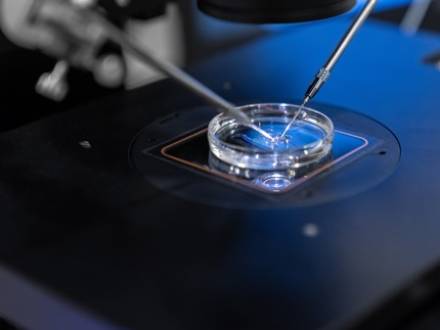 Couples who use in vitro fertilization often have extra embryos left over after treatment. The clinic freezes those embryos for later use. If the couple later divorces, deciding who controls the embryos can become a hard and emotional part of the case. Illinois courts have already ruled on this exact issue, though the outcome still depends heavily on the facts of each case.
If you are heading into a divorce in 2026 and you have frozen embryos in storage, a Chicago, IL divorce attorney can walk you through your options.
Are Frozen Embryos Treated as Marital Property in an Illinois Divorce?
Frozen embryos are becoming more common across the country. According to the Centers for Disease Control and Prevention, 184,423 fertility treatment cycles in 2022 were egg or embryo banking cycles. In those cycles, all resulting eggs or embryos were frozen for future use. That number shows how many couples could face a dispute over frozen embryos down the road.
The problem is that embryos do not fit any existing legal framework well. A house or a retirement account can be split, sold, or given a dollar value. An embryo cannot be treated that way. Courts have recognized that embryos belong in a category of their own. In practice, that means Illinois judges do not treat frozen embryos as a regular form of marital property. They try to use a balancing test to decide who has the right to use, store, or dispose of them. This makes predicting the outcome of embryo division very difficult when spouses can’t agree.
How Do Illinois Courts Decide Who Gets Frozen Embryos in a Divorce?
Illinois courts answered the question of who gets the frozen embryos in a divorce in Szafranski v. Dunston. This case involved a couple who created embryos before the woman began cancer treatment, which was expected to leave her infertile. The couple later split up, and her former partner tried to stop her from using the embryos. He argued that he should not be forced into fatherhood.
The court explained how Illinois courts should approach disputes over frozen embryos. First, judges look for any agreement the couple has already reached regarding the embryos. If no clear agreement exists, the court weighs each person's reasons for wanting or not wanting the embryos used.
In this case, the woman's only real chance at having a biological child outweighed her former partner's objection. This ruling now guides how Illinois courts handle similar disputes, though it does not guarantee the same result in every case.
What Should You Do If You Are Already Divorcing With Embryos in Storage?
If you are already going through a divorce and you have frozen embryos in storage, do not wait to raise the issue. Tell your attorney about the embryos as early as possible, and find any paperwork you signed with the fertility clinic.
However, it’s not possible to assume that paperwork automatically settles the matter between you and your spouse. Most clinic forms only cover what the clinic itself can do with the embryos, not what happens between the two of you in a divorce. Mediation can also help here, as it gives both spouses a chance to reach their own agreement rather than having a judge decide such a personal matter.
How Can Couples Avoid a Dispute Over Frozen Embryos in the First Place?
Couples who are not yet facing a dispute have an advantage. They can put their wishes in writing before any conflict starts. A clinic's consent form is a good first step, but it rarely settles every issue a divorce could raise. A stronger embryo agreement should also address:
-
What happens to the embryos if the couple separates or divorces
-
Whether either partner can use the embryos without the other's consent
-
Whether unused embryos will be donated, destroyed, or kept in storage
-
Who pays the storage fees, and what happens if those fees go unpaid
A written agreement will not settle every possible disagreement, but it gives a court something solid to rely on.
Contact a Cook County, IL Family Law Attorney for a Free Consultation
Attorneys at The Law Office of George J. Skuros take the time to walk clients through what the law actually allows, explaining what a realistic outcome might look like. While preparing you for what lies ahead, the team also works to put you in the strongest possible position to achieve the best outcome. If you are facing a dispute over stored embryos, reach out to a Chicago, IL divorce lawyer or call 312-884-1222 to schedule a free consultation.
Serving Counties Across Illinois
From our office in Park Ridge, we serve clients throughout Cook County, including the North Shore and the Northwest Suburbs of Schaumburg, Arlington Heights, Mount Prospect, Des Plaines, Inverness, and more. Our services also extend to surrounding areas in DuPage County, Lake County, Kane County, and Will County.

Cook County

DuPage County

Kane County

Lake County

Will County
312-884-1222
1580 N. Northwest Highway, Suite 12, Park Ridge, IL 60068

From our office in Park Ridge, we serve clients throughout the Chicagoland area, including but not limited to Cook County, DuPage County, Harwood Heights, Rosemont, Schaumburg, Des Plaines, Elmwood Park, Norridge, Schiller Park, Lincolnwood, Edgewater, River Grove, Austin, Niles, Morton Grove, Skokie, Norwood, Logan Square, Bucktown, Oak Park, Wheeling, Hoffman Estates, Rolling Meadows, Palatine, Cicero, Evanston, Northbrook, Mt. Prospect, Elmhurst, Glenview, Humboldt Park, and the Loop, as well as Naperville, Wheaton, Lombard, and Glen Ellyn.

Contact Our Firm
 The use of the Internet or this form for communication with the firm or any individual member of the firm does not establish an attorney-client relationship. Confidential or time-sensitive information should not be sent through this form.
I have read and understand the Disclaimer and Privacy Policy.