1580 N. Northwest Highway, Suite 12, Park Ridge, IL 60068



 312-884-1222

-

- Home
- About Us
- Our Team
- Divorce
- Uncontested Divorce
- The Illinois Divorce Process
- Division of Property and Assets
- Complex Financial Situations
- Theft/Dissipation of Marital Funds
- High Conflict Divorce
- Spousal Support
- Divorce for Older Couples
- Tax Considerations
- Child Custody / Parental Responsibilities
- Child Support
- Post-Decree Order Modifications
- Family Law
- Blog
- Scholarship
- Media
- Testimonials
- Contact
Should I Get Legally Separated or Divorced in Illinois?
 As of 2025, Illinois family law recognizes both legal separation and divorce. The processes share many similarities but serve different purposes. Understanding those differences early can help you avoid delays, added costs, and frustration. The right choice for you depends on finances, insurance, religious concerns, long-term plans, and other factors. Our Chicago, IL divorce lawyer can help you understand how each option works under Illinois law and how it may affect your future.
What Is Legal Separation in Illinois?
Legal separation allows spouses to live apart while staying legally married. Under the Illinois Marriage and Dissolution of Marriage Act, specifically 750 ILCS 5/402, a court may grant a legal separation if spouses live separate and apart and at least one spouse asks for it.
Legal separation does not end the marriage. There is no final judgment dissolving the marital relationship. Instead, the court can enter orders that address certain issues while the marriage technically continues.
What Issues Can Be Decided During Legal Separation in Illinois?
During a legal separation, an Illinois court can address many of the same issues that arise in a divorce. These may include:
-
Child custody and parenting time, officially called the allocation of parental responsibilities in Illinois
-
Child support
-
Spousal maintenance, also known as alimony
However, the court cannot divide marital property unless both spouses agree. This is one of the biggest limits of legal separation and a key reason some couples later choose to divorce.
What Does Divorce Do That Legal Separation Does Not?
Divorce, called dissolution of marriage under Illinois law, permanently ends the marriage. Under 750 ILCS 5/401, a court may grant a divorce if the marriage has irretrievably broken down. Illinois is a no-fault state, which means neither spouse has to prove wrongdoing.
Once a divorce is finalized, both parties are legally single and free to remarry, which is not the case with legal separation. The court can also resolve all outstanding issues in one final judgment.
What Issues Are Resolved in an Illinois Divorce?
A divorce allows the court to address every part of the marital relationship, including:
-
Division of marital property and debts
-
Spousal maintenance under 750 ILCS 5/504
-
Child-related issues, if applicable
-
Final financial separation between spouses
For many couples in Cook County, this full resolution provides clarity and a clean legal break that legal separation cannot offer.
Why Would Someone Choose Legal Separation Over Divorce?
Legal separation can make sense in certain situations. Some people are not ready for divorce but need court orders in place to protect themselves financially or to establish parenting arrangements.
Other common reasons people consider legal separation include health insurance coverage, religious beliefs, or the hope of reconciliation. For example, one spouse may rely on the other’s employer-sponsored health insurance, which often ends after divorce but may continue during legal separation.
How Does Legal Separation Affect Property and Debt in Illinois?
In a legal separation, property division generally does not happen unless both parties agree in writing. In a divorce, marital property and debts are divided equitably by the court if spouses can't agree.
This means assets acquired during the separation may still be considered marital property later if you decide to go through with a divorce. In a city like Chicago, where real estate values, retirement accounts, and business interests can be significant, this can create long-term complications. An experienced attorney will work with you to ensure that you fully understand the implications of choosing separation over divorce.
Can a Legal Separation Turn Into a Divorce Later?
A legal separation does not prevent either spouse from filing for divorce later. If reconciliation does not happen, the case can move forward as a divorce.
However, legal separation does not automatically convert into divorce. A new case must be filed, and unresolved issues still need to be addressed. This can increase legal costs and extend the overall process.
Schedule a Free Consultation With Our Cook County, IL Divorce Attorney
Deciding between legal separation and divorce is not just a legal decision. It is a personal choice with lasting financial and family effects. At The Law Office of George J. Skuros, we bring over 30 years of legal experience to every case and prioritize setting well-informed, realistic expectations for our clients about what the law can and cannot do. If you are weighing your options and want clear guidance, call 312-884-1222 to schedule a free consultation with our Chicago, IL divorce attorney today.
Serving Counties Across Illinois
From our office in Park Ridge, we serve clients throughout Cook County, including the North Shore and the Northwest Suburbs of Schaumburg, Arlington Heights, Mount Prospect, Des Plaines, Inverness, and more. Our services also extend to surrounding areas in DuPage County, Lake County, Kane County, and Will County.
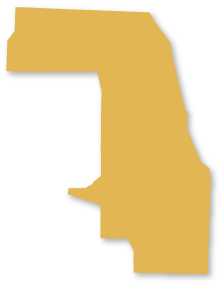
Cook County
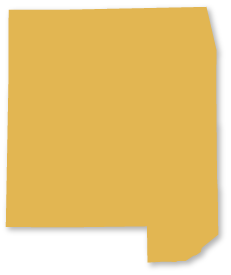
DuPage County

Kane County
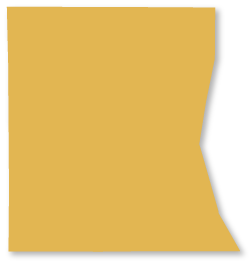
Lake County
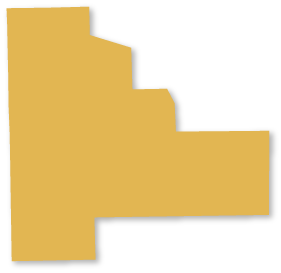
Will County
312-884-1222
1580 N. Northwest Highway, Suite 12, Park Ridge, IL 60068

From our office in Park Ridge, we serve clients throughout the Chicagoland area, including but not limited to Cook County, DuPage County, Harwood Heights, Rosemont, Schaumburg, Des Plaines, Elmwood Park, Norridge, Schiller Park, Lincolnwood, Edgewater, River Grove, Austin, Niles, Morton Grove, Skokie, Norwood, Logan Square, Bucktown, Oak Park, Wheeling, Hoffman Estates, Rolling Meadows, Palatine, Cicero, Evanston, Northbrook, Mt. Prospect, Elmhurst, Glenview, Humboldt Park, and the Loop, as well as Naperville, Wheaton, Lombard, and Glen Ellyn.

Contact Our Firm
 The use of the Internet or this form for communication with the firm or any individual member of the firm does not establish an attorney-client relationship. Confidential or time-sensitive information should not be sent through this form.
I have read and understand the Disclaimer and Privacy Policy.