1580 N. Northwest Highway, Suite 12, Park Ridge, IL 60068



 312-884-1222

-

- Home
- About Us
- Our Team
- Divorce
- Uncontested Divorce
- The Illinois Divorce Process
- Division of Property and Assets
- Complex Financial Situations
- Theft/Dissipation of Marital Funds
- High Conflict Divorce
- Spousal Support
- Divorce for Older Couples
- Tax Considerations
- Child Custody / Parental Responsibilities
- Child Support
- Post-Decree Order Modifications
- Family Law
- Blog
- Scholarship
- Media
- Testimonials
- Contact
How an Illinois Divorce Can Affect Your Credit Score
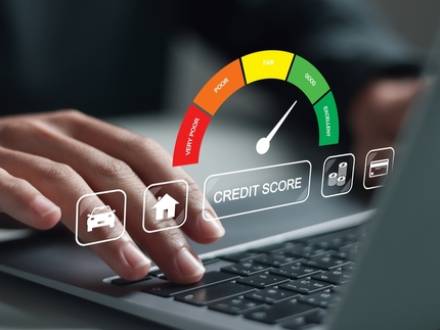 Divorce touches every part of your financial life: Your bank accounts, your property, your taxes. But one area that often gets overlooked until too late is your credit. For anyone going through a divorce in Illinois in 2026, understanding what happens to your credit is an important part of planning for divorce and setting yourself up for success after it’s finalized. A Chicago, IL divorce attorney can help you see the full picture before you make decisions you may regret later.
Does Getting a Divorce in Illinois Directly Lower Your Credit Score?
The act of filing for divorce does not show up on your credit report. Credit bureaus do not track marital status, so the filing itself does not cause immediate damage. The real risk comes from what happens next: how joint accounts are handled, whether payments get missed, and how debt gets divided.
People often feel a false sense of security early in the process. They assume that because they have not done anything wrong financially, their credit is safe. The problem is that your credit can take a hit from your spouse's actions just as easily as your own.
How Joint Accounts and Shared Debt Put Both Spouses at Risk in a Divorce
When you open a joint credit card, car loan, or mortgage with your spouse, both names are on that account. Your creditors do not care what your divorce decree says about who is responsible for paying it. They care about who signed the original agreement.
According to the Consumer Financial Protection Bureau, payment history is the number-one factor in your credit score. If your spouse is ordered by the court to pay a joint credit card but falls behind, those late payments show up on your credit report too. That damage can follow you for years, since negative payment history can generally be reported for up to seven years.
What Happens to Authorized Users During an Illinois Divorce
Being an authorized user on your spouse's account is different from being a joint account holder. You usually are not responsible for paying the debt, but the account may still appear on your credit report if the card issuer reports authorized-user activity. If your credit history was built mostly through accounts where you were an authorized user, being removed during the divorce can shorten your credit history and thin out your credit profile. This matters most for spouses who stepped back from the workforce during the marriage and let the other spouse handle most of the finances.
Steps You Can Take to Protect Your Credit During an Illinois Divorce
Taking action on your accounts before or during the divorce can limit the damage. Some practical steps include:
- Pull your credit report from all three bureaus so you know every account your name is attached to.
- Close or refinance joint accounts whenever possible, rather than leaving them open and hoping your spouse keeps up with payments.
- Open accounts in your own name if you do not already have them.
- Keep making sure minimum payments are made on any joint account that cannot be closed right away, even if your spouse is supposed to cover it.
- Ask your lender about removing your name from a joint account, which often requires the other spouse to refinance on their own.
None of these steps requires waiting for the divorce to be final.
How the Division of Debt in an Illinois Divorce Affects Your Credit
Illinois is an equitable distribution state, meaning marital debts are divided fairly under 750 ILCS 5/503. A court can assign a joint debt to one spouse as part of the settlement. But that court order does not change your original contract with the creditor. If the assigned spouse stops paying, you are still on the hook.
This is why the language in your divorce agreement around debt is so important. A good settlement will include steps to remove a spouse's name from accounts, such as refinancing or closure, rather than just an order requiring one spouse to pay.
Schedule a Free Consultation with a Chicago, IL Family Law Attorney
Credit is one of many financial issues that can catch people off guard during a divorce. If you are heading into a divorce and want to understand how debt division could affect you, The Law Office of George J. Skuros can walk you through your options. George Skuros has spent over 30 years helping clients in the Chicago area understand exactly where they stand and what they can expect, so there are no surprises. Call the Cook County divorce lawyer at The Law Office of George J. Skuros or reach us at 312-884-1222 to set up a free consultation.
Serving Counties Across Illinois
From our office in Park Ridge, we serve clients throughout Cook County, including the North Shore and the Northwest Suburbs of Schaumburg, Arlington Heights, Mount Prospect, Des Plaines, Inverness, and more. Our services also extend to surrounding areas in DuPage County, Lake County, Kane County, and Will County.

Cook County

DuPage County

Kane County

Lake County

Will County
312-884-1222
1580 N. Northwest Highway, Suite 12, Park Ridge, IL 60068

From our office in Park Ridge, we serve clients throughout the Chicagoland area, including but not limited to Cook County, DuPage County, Harwood Heights, Rosemont, Schaumburg, Des Plaines, Elmwood Park, Norridge, Schiller Park, Lincolnwood, Edgewater, River Grove, Austin, Niles, Morton Grove, Skokie, Norwood, Logan Square, Bucktown, Oak Park, Wheeling, Hoffman Estates, Rolling Meadows, Palatine, Cicero, Evanston, Northbrook, Mt. Prospect, Elmhurst, Glenview, Humboldt Park, and the Loop, as well as Naperville, Wheaton, Lombard, and Glen Ellyn.

Contact Our Firm
 The use of the Internet or this form for communication with the firm or any individual member of the firm does not establish an attorney-client relationship. Confidential or time-sensitive information should not be sent through this form.
I have read and understand the Disclaimer and Privacy Policy.